If you’ve considered moving to Florida, you’ve likely heard the same concern:
“Homeowners insurance is extremely expensive in Florida.”
While that can be true in certain situations, it does not tell the full story.
When you compare similar homes—especially those outside of flood zones—the difference is often much smaller than many buyers expect. In some cases, the costs can be surprisingly comparable.
Let’s take a closer look.
The Big Picture: What Buyers Typically Pay
For a $400,000 to $600,000 single-family home (excluding flood zone properties), here is a general comparison:
- Minnesota: $1,800 – $3,500 per year
- Wisconsin: $1,200 – $2,500 per year
- Indiana: $1,200 – $2,200 per year
- Florida (non-flood zone): $2,500 – $5,500 per year
At first glance, Florida appears significantly higher. However, that comparison alone does not reflect the full picture.
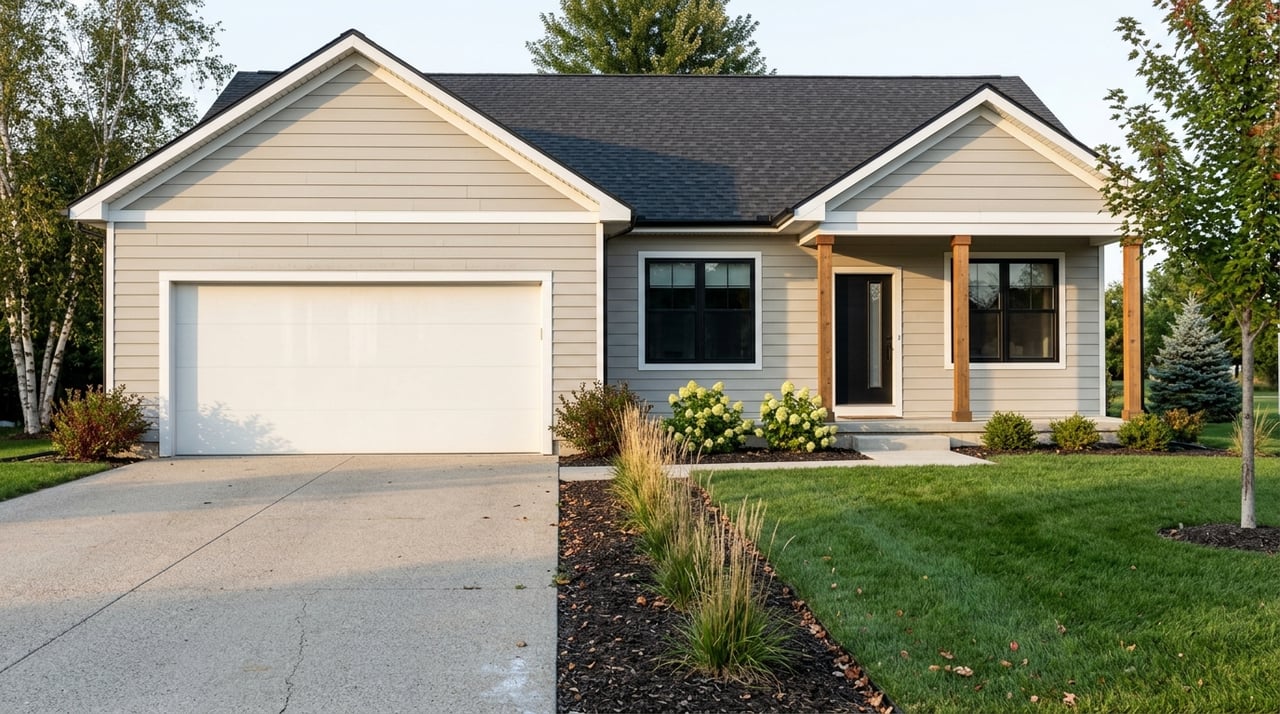
Minnesota: No Longer a Low-Cost Insurance Market
Many buyers are surprised to learn how much homeowners insurance has increased in Minnesota over the past several years.
The primary drivers include:
- Frequent hail damage claims
- Severe wind storms
- Ongoing roof replacement claims
In today’s market, it is common to see homes in the $400,000 to $600,000 range carrying premiums between $2,000 and $3,500 annually.
Higher deductibles are also becoming more common, and roof age has become a major factor in pricing.
The takeaway: Minnesota is no longer the low-cost insurance market it once was.
Wisconsin and Indiana: A More Stable Baseline
States like Wisconsin and Indiana tend to represent a more stable middle ground.
- Lower frequency of severe claims
- More consistent pricing models
- Typical premiums ranging from $1,200 to $2,500 annually
These states are often used as a benchmark for affordability when comparing insurance costs across regions.
Florida: Higher, But More Nuanced Than Expected
Florida insurance costs can be higher, but understanding why is key.
Different Risks, Different Pricing
Insurance policies in Florida are built around:
- Hurricane exposure
- Wind mitigation requirements
- Strict building codes
In contrast, Midwestern policies are structured around:
- Hail damage
- Freeze-related issues
- Ice dams
Different risks lead to different pricing models.
Newer Construction Can Be Very Competitive
This is where many buyers are surprised.
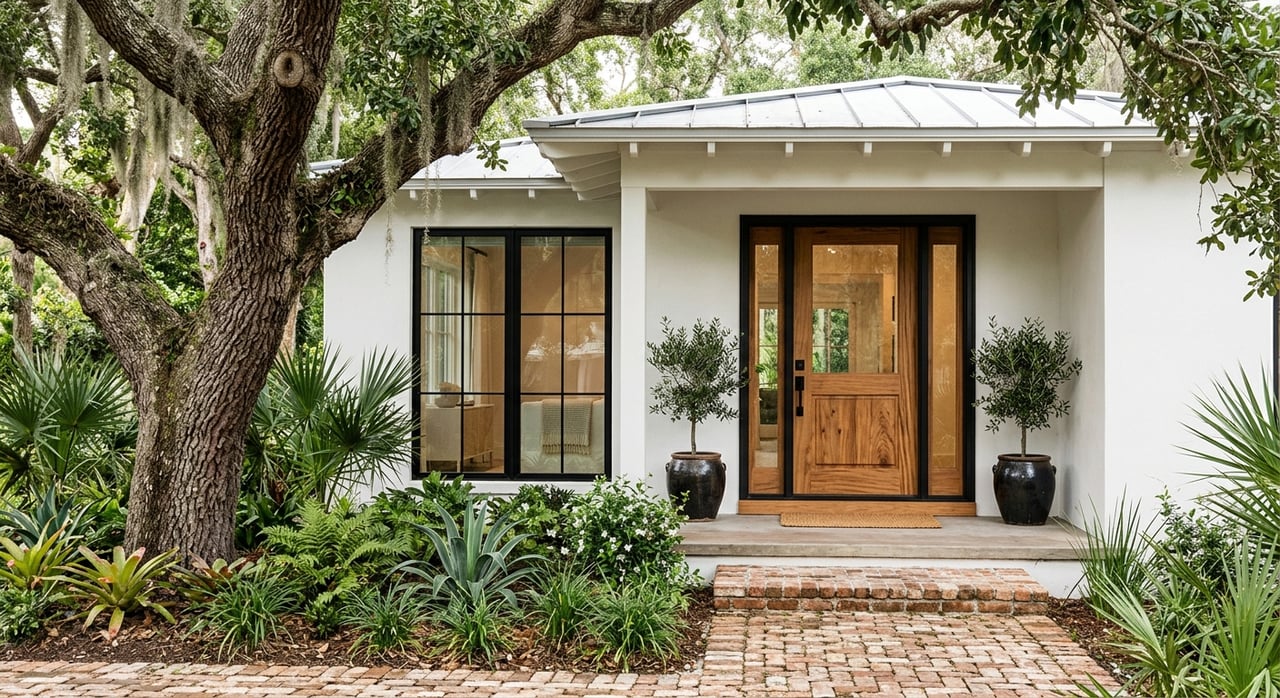
In markets such as Naples, Fort Myers, Estero, and Bonita Springs, a significant portion of the housing stock includes newer construction built to modern hurricane standards.
These homes often feature:
- Impact-resistant windows and doors
- Updated roofing systems
- Strong wind mitigation features
As a result, they frequently qualify for meaningful insurance discounts.
A newer $500,000 home in a non-flood zone can often see premiums in the $2,500 to $3,500 range—very comparable to Minnesota.
Roof Age Matters—Even More in Florida
Roof condition plays a major role in both Midwest and Florida insurance pricing, but it carries even greater weight in Florida.
- Older roofs typically result in higher premiums
- Newer roofs can significantly reduce costs
This is one of the main reasons two similar homes can have dramatically different insurance quotes.
Important Note on Flood Insurance
Many of the higher insurance numbers you hear about Florida include:
- Flood insurance
- Properties located in designated flood zones
This comparison intentionally excludes flood insurance and focuses only on standard homeowners policies.
Flood insurance is a separate conversation and should be evaluated independently based on the specific property.
A Real-World Comparison
Let’s compare a realistic scenario:
$500,000 Home
- Minnesota: $2,500 – $3,500 per year
- Florida (non-flood zone, newer construction): $2,500 – $4,000 per year
In many cases, the difference is minimal—and sometimes nearly identical.
The Most Common Misconception
The belief that “Florida insurance is double” typically comes from comparing very different properties.
For example:
- An older home in Minnesota
- Compared to a waterfront or flood-zone property in Florida
This is not an accurate comparison.
When evaluating similar homes—price, condition, and location—the gap is often much smaller.
What Informed Buyers Focus On
Buyers who understand the market are prioritizing:
- Newer or well-updated homes
- Properties outside of flood zones
- Strong wind mitigation features
When these factors are in place, insurance becomes far more predictable and manageable.
Final Thoughts
Yes, homeowners insurance in Florida can be higher.
However, when comparing similar homes in similar conditions—particularly outside of flood zones—the difference is often far less significant than many expect.
When combined with:
- No state income tax
- Potentially lower vehicle costs
- A different overall lifestyle
Insurance becomes just one part of a much broader financial picture.
Considering a Move from Minnesota to Florida?
Insurance is one of the most important factors to understand when relocating.
I work with buyers to:
- Identify areas with lower insurance exposure
- Evaluate properties based on insurability and long-term cost
- Provide real-world estimates before offers are written
If you are beginning to explore a move or considering a second home, having clarity around these details can make a significant difference.
Visit www.mntofl.com or reach out directly to start the conversation.