If you’re selling a home in Minnesota with a septic system, there’s one critical detail that can impact your entire transaction:
The system must be compliant before ownership can transfer.
This isn’t just a recommendation—it’s a requirement in many Minnesota counties. And if it’s not handled properly, it can delay closing, create unexpected costs, or even kill a deal.
Here’s what every seller should understand before listing their home.
Septic Compliance Is Required for Most Sales
In many areas of Minnesota, a septic system must be inspected and certified compliant before the sale can close.
If the system is not compliant, the seller typically has two options:
- Repair or replace the system prior to closing
- Negotiate with the buyer (escrow, price reduction, or replacement agreement)
This is why septic should be addressed early—not after you already have an offer in hand.
How Long Is a Septic Certification Good For?
A standard septic compliance certification in Minnesota is typically valid for 3 years.
At first glance, that sounds straightforward—but in real transactions, it’s not always that simple.
Why Buyers Often Request a New Certification
Even if a system was certified within the last few years, buyers (and their agents) will often request an updated inspection—especially after a Minnesota winter.
From my experience representing buyers, I strongly recommend a new or updated septic certification if:
- The system has gone through a full winter cycle
- The previous certification is more than a year old
- There are any unknowns about usage or maintenance
Why? Because winter conditions can impact the system in ways that aren’t always visible.
How Minnesota Winters Can Affect Septic Systems
Minnesota winters are tough—and septic systems are no exception.
Common issues that can arise include:
- Cracked tank lids or covers due to freezing and thawing
- Damage to risers or pipes
- Soil shifting that impacts system performance
A system that passed inspection two years ago may not be in the same condition today. That’s why updated inspections matter.
Not All Septic Systems Are the Same
Another common misconception is that all septic systems are created equal.
In reality, systems vary based on:
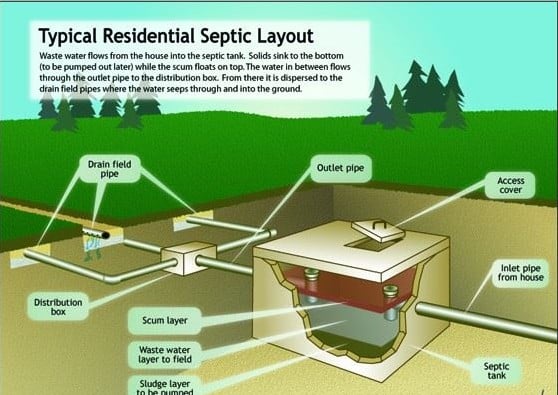
- Number of tanks
- Tank size
- Design capacity (based on bedrooms, not square footage)
In Minnesota, septic systems are typically designed based on the number of bedrooms in the home—not the size of the house or how many bathrooms it has.
That distinction becomes very important in real-life use.
Real Example: When Usage Exceeds Design Capacity
I recently represented a seller who had their septic system:
- Pumped
- Inspected
- Certified compliant
Everything was done correctly prior to closing.
However, about six months after the sale, the buyer reached out concerned that something was wrong—they had already needed to pump the system again.
The issue wasn’t the system.
It was usage.
The home was designed as a 3-bedroom property, meaning the septic system was built to handle a typical occupancy for that size. The new owners had 8+ people living in the home, with significantly higher daily water usage.
More people = more water = more strain on the system.
Septic systems aren’t designed for unlimited use. When occupancy exceeds design capacity, issues like frequent pumping or system stress are expected—not a sign of failure.
What Sellers Should Do Before Listing
If you’re preparing to sell a home with a septic system in Minnesota, here are the best steps to take:
1. Get Ahead of It
Schedule a septic inspection early—before your home hits the market.
2. Consider Pumping the System
A fresh pump and inspection can help avoid buyer concerns and strengthen your position during negotiations.
3. Review Your Existing Certification
If your certification is older or has gone through a winter cycle, be prepared for buyers to request an updated inspection.
4. Understand Your System
Know:
- Number of bedrooms the system is designed for
- Tank size and layout
- Last service date
5. Be Prepared to Educate Buyers
Many buyers are unfamiliar with septic systems. Setting expectations upfront can prevent confusion later.
Final Thoughts
Septic systems don’t have to complicate a sale—but they do require the right preparation.
The key is understanding:
- Compliance requirements
- How Minnesota weather impacts systems
- How usage affects performance
Handled correctly, septic is just another step in the process—not a roadblock.
If you’re thinking about selling a home with a septic system and want to make sure everything is handled the right way from the start, I’m happy to help guide you through it.