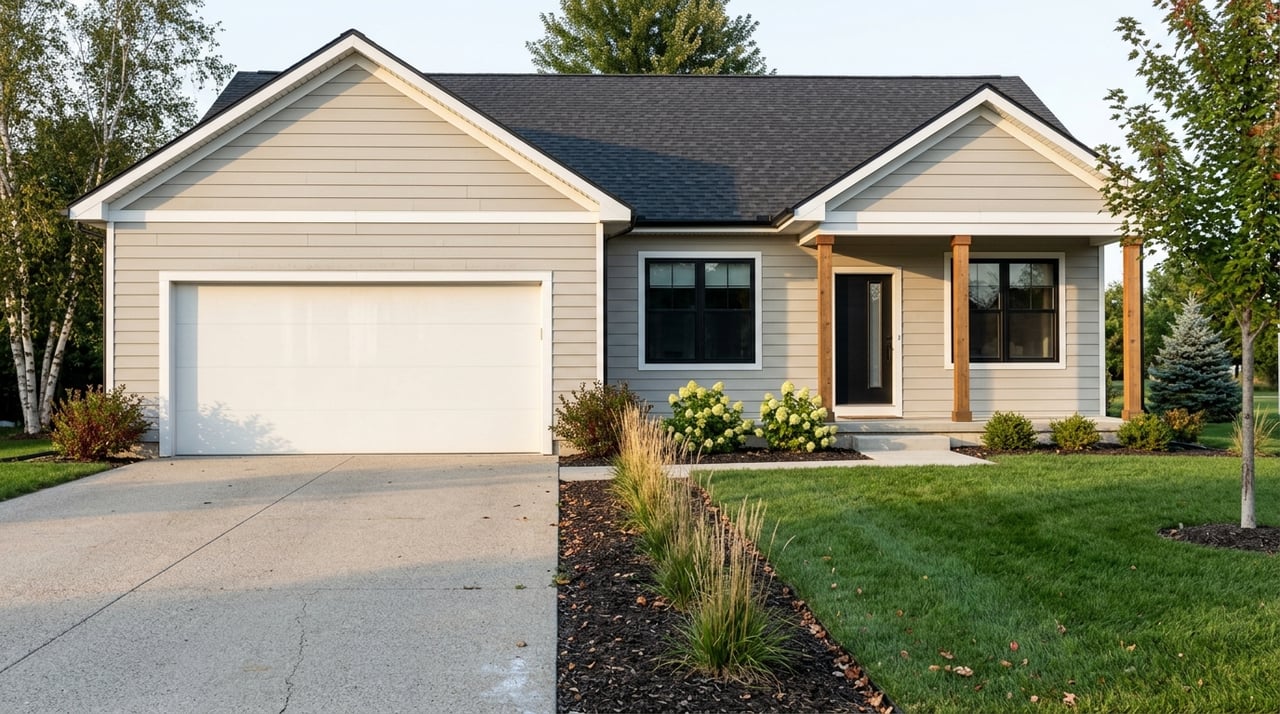
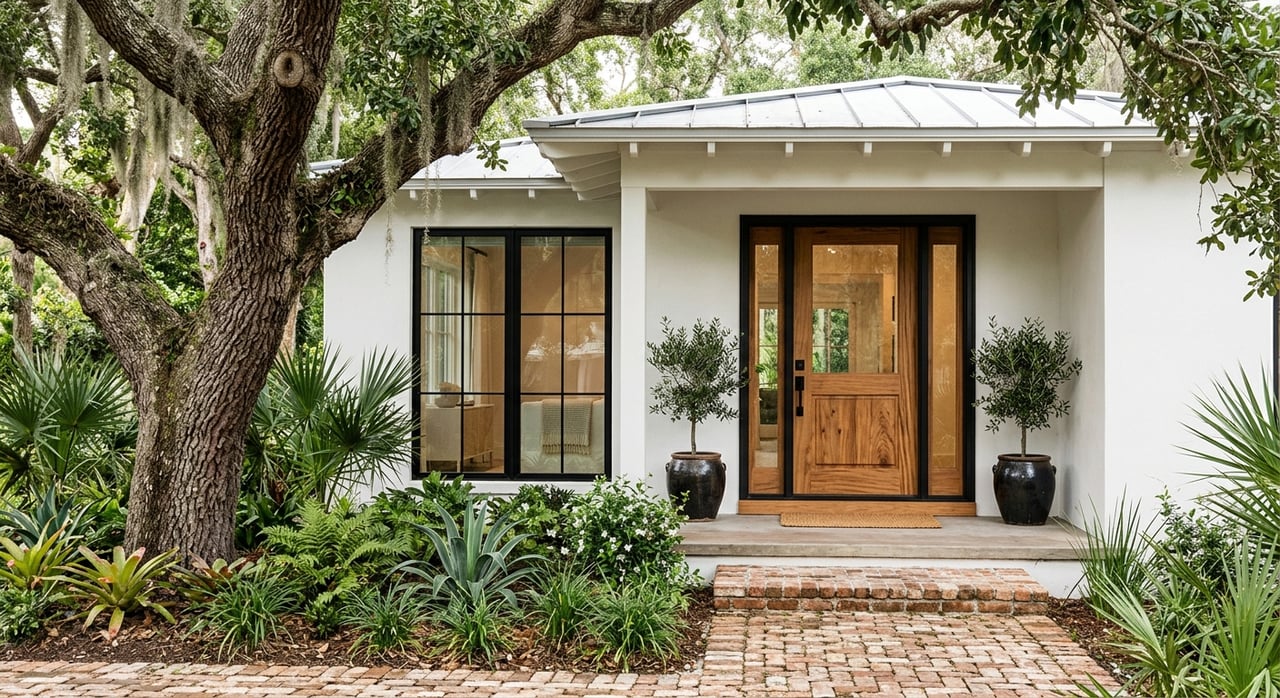
If you're relocating from the Midwest to Florida, you've probably noticed something confusing while searching for homes.
One neighborhood may have a low HOA fee but surprisingly high property taxes. Another neighborhood may have similar homes with much lower taxes. What's the difference?
The answer is often something called a CDD (Community Development District).
Understanding how CDD fees work can help you compare neighborhoods more accurately and avoid surprises after closing.
What Is a CDD?
A Community Development District (CDD) is a special local government established under Florida law to finance the infrastructure needed to build a new community.
Rather than the developer paying for all of the roads, utilities, and amenities upfront, many of these costs are financed over time. Homeowners then repay those costs through a CDD assessment that appears on their annual property tax bill.
Unlike an HOA, a CDD is not a homeowners association. It is a public entity created to finance and maintain certain community improvements.
What Does a CDD Pay For?
CDD funds are commonly used to build and maintain improvements such as:
- Roads and sidewalks
- Community entrances and monuments
- Landscaping and irrigation
- Clubhouses
- Swimming pools
- Fitness centers
- Tennis and pickleball courts
- Walking and biking trails
- Parks and playgrounds
- Street lighting
- Lakes and water management systems
- Water, sewer, and utility infrastructure
The specific amenities vary from one community to another.
Is a CDD the Same as an HOA?
No. Although many buyers confuse the two, they serve very different purposes.
HOA (Homeowners Association) fees generally pay for the ongoing maintenance and operation of the community, including landscaping, irrigation, security gates, common area maintenance, and recreational amenities.
CDD (Community Development District) assessments are primarily used to repay the cost of building the community's infrastructure, although many districts also collect maintenance assessments to help maintain those improvements.
Many Florida neighborhoods include all three of the following:
- Property Taxes
- HOA Fees
- CDD Assessments
Some communities have only an HOA, some have only a CDD, and many have both.
How Much Are CDD Fees?
CDD costs vary depending on the community, amenities, and the age of the development.
Typical annual CDD assessments range from approximately:
- $800–$1,500 per year in some communities
- $1,500–$3,000 per year in many newer developments
- $3,000–$5,000+ per year in communities with extensive resort-style amenities
While these are common ranges, every community is different, so it's important to verify the actual assessment before purchasing a home.
How Are CDD Fees Paid?
One of the most common misconceptions is that you'll receive a separate monthly bill for your CDD fee. In most Florida communities, that's not the case.
CDD assessments are typically listed as a separate line item on your annual property tax bill, which is issued by the county tax collector. If you have a mortgage and your lender escrows your property taxes and insurance, your CDD assessment is generally included in that escrow payment.
In other words, most homeowners don't write a separate check for their CDD fee. Instead, it's paid as part of their monthly mortgage payment (if taxes are escrowed) or when they pay their annual property tax bill.
This is one reason property taxes can vary significantly between neighborhoods. Two similar homes may have similar market values, but the one located in a community with a CDD may have a higher annual property tax bill because the CDD assessment is included.
Do CDD Fees Ever Go Away?
Sometimes—but not always.
Many CDD bonds are financed over a period of 20 to 30 years. Once those bonds are paid off, the debt portion of the assessment may expire.
However, many communities continue collecting a maintenance assessment to help operate and maintain the community's roads, landscaping, lakes, and amenities.
Whether a CDD decreases or continues after the bonds mature depends on the specific community.
Are CDD Communities a Bad Investment?
Not at all.
Many of Florida's most desirable neighborhoods—including communities built by nationally recognized builders—have CDDs.
In return, homeowners often enjoy:
- Beautiful community entrances
- Resort-style pools
- Clubhouses
- Fitness centers
- Walking and biking trails
- Well-maintained roads and landscaping
- Attractive neighborhoods that can help support long-term property values
The important thing isn't whether a community has a CDD—it's understanding the total cost of ownership before you buy.
Comparing Communities the Right Way
When comparing homes in Florida, don't focus only on the purchase price.
Instead, compare the total monthly cost, including:
- Mortgage payment
- Property taxes
- HOA fees
- CDD assessments (if applicable)
- Homeowners insurance
- Flood insurance (if required)
A home with a lower purchase price may actually cost more each month if it has higher HOA fees or a significant CDD assessment.
Final Thoughts
CDD fees often sound intimidating until you understand what they are.
For many Midwest homebuyers, they're simply another way of paying for the roads, amenities, and infrastructure that make Florida's newer communities so attractive.
Every neighborhood is different, so it's important to review the actual CDD assessment, HOA fees, and property taxes before making an offer. Understanding these costs upfront will help you make an informed decision and avoid surprises after closing.
If you're considering relocating from the Midwest to Southwest Florida, I'd be happy to help you compare communities, explain the true cost of ownership, and find the neighborhood that best fits your lifestyle and budget.
Steve Comstock
Broker | Comstock & Company
Your Midwest to Florida Connection
www.comstockandcompany.com