If you are thinking about a move to Southwest Florida, Cape Coral probably keeps showing up for one big reason: the lifestyle looks different here. This is a city where canals, parks, bridges, and waterfront hangouts shape your daily routine more than a traditional downtown ever could. If you want a clear picture of what living in Cape Coral is really like, this guide will help you understand the pace, patterns, and trade-offs so you can decide whether it fits the way you want to live. Let’s dive in.
Cape Coral at a glance
Cape Coral is a large city with 236,264 residents as of July 1, 2025, and 106.02 square miles of land. City materials describe it as a peninsular city on Florida’s southwest coast, connected by two bridges to central and south Fort Myers and one bridge to the north. That geography matters because it shapes how you get around and how the city feels day to day.
This is not a compact, urban place where everything is clustered into a small downtown core. Instead, Cape Coral feels spread out, residential, and connected by major roads and bridges. For many buyers, that translates to more of a suburban coastal rhythm than a walk-everywhere lifestyle.
The housing profile also says a lot about the area. The owner-occupied housing rate is 77.2%, the median owner-occupied home value is $373,500, and about 25% of residents are age 65 or older. In practical terms, that points to a market with a strong homeowner base and a notable retiree presence.
Water shapes daily life
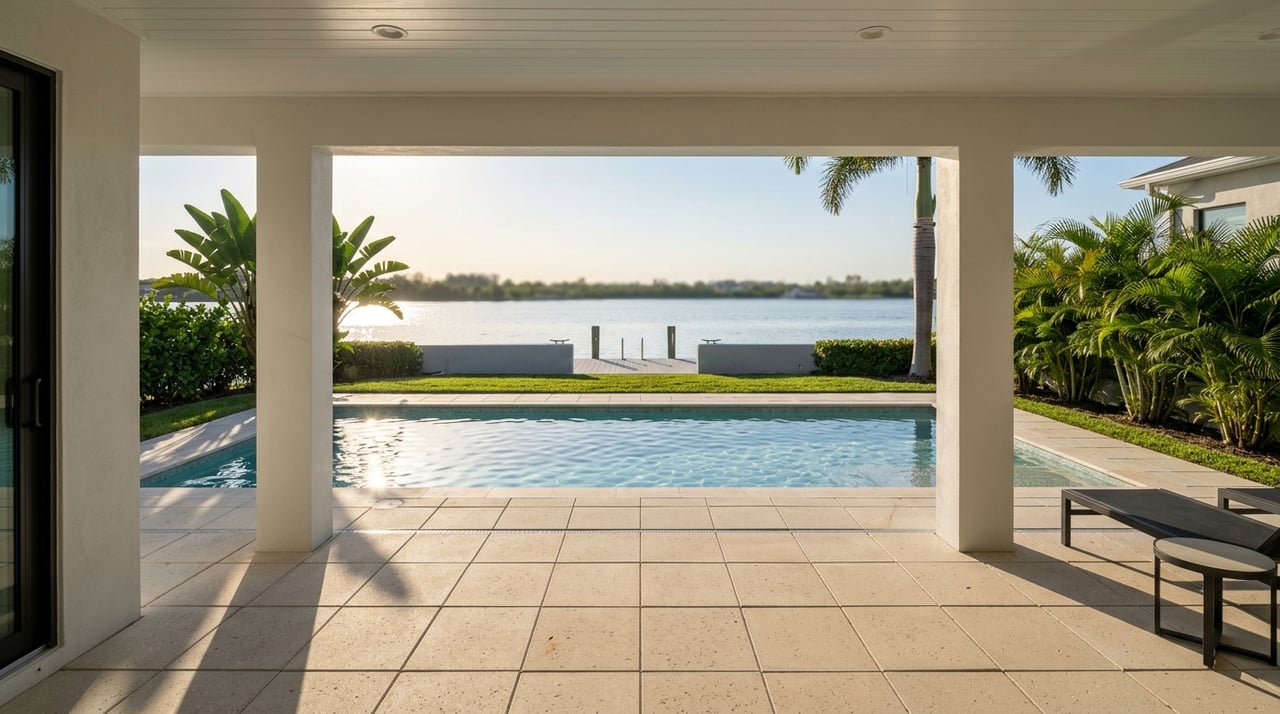
One of the biggest reasons people choose Cape Coral is simple: water is part of everyday living here. The city has more than 400 miles of canals, and city information highlights boating as one of the most popular outdoor activities in Southwest Florida. If waterfront access is high on your list, Cape Coral offers a setting that is hard to ignore.
Those canals are not just for recreation. The city also uses the canal network for flood control, stormwater conveyance, irrigation storage, and water management. That means the local environment is closely tied to both lifestyle and infrastructure.
For you as a resident, this can show up in different ways depending on where you live and how you spend your time. Some people are drawn to boating and marina access, while others simply enjoy canal views, waterfront dining, and the overall coastal feel. Either way, the water is more than scenery here. It is part of how the city functions.
Outdoor living is a real lifestyle perk
Cape Coral makes it easy to spend time outside. The city manages more than 39 park locations totaling 1,595 acres, which gives residents plenty of ways to enjoy the area beyond private yards and waterfront homes. That wide park system adds variety to the local lifestyle.
A few city highlights help paint the picture. Jaycee Park offers a riverfront boardwalk and splash pad, Four Freedoms Park includes a sunbathing beach and views over Bimini Basin, Four Mile Cove Ecological Preserve features wetlands and a boardwalk, and Del Prado Linear Park has a four-mile paved path. These are the kinds of places that shape weekend routines, morning walks, and casual afternoons.
If you picture your Florida move including more time outdoors in the winter months, Cape Coral delivers on that front. The city’s recreational setup supports a lifestyle built around fresh air, water access, walking paths, and neighborhood parks. It feels less like a resort strip and more like a place where outdoor living becomes part of normal life.
South Cape is the social hub
Cape Coral does not revolve around one dense downtown, but it does have clear social centers. According to the city, South Cape is the historic heart of Cape Coral and now includes more than 60 restaurants and more than 250,000 annual visitors. It also hosts recurring events like the Cape Coral Festival of the Arts, Bike Night, the Holiday Festival of Lights, farmers markets, and trolley events.
That gives the area a steady social rhythm without making the whole city feel crowded. If you like having places to go for dinner, events, and casual nights out, South Cape is an important part of the local picture. It tends to be where activity feels most concentrated.
Waterfront gathering spots also play a major role in the local identity. The city highlights places like Slipaway Food Truck Park & Marina, where outdoor dining, live music, marina services, and boat access come together, along with Bimini Square, a mixed-use waterfront project with restaurants, retail, and marina access. Together, these spots reinforce the idea that Cape Coral’s social life often happens near the water.
Getting around means planning for driving
Before you move to Cape Coral, it helps to know that the city is largely car-based. Its size, peninsular layout, and bridge connections make driving the practical default for most residents. If you are moving from a place where errands are quick and close together, this may be one of the bigger adjustments.
The Census Bureau reports a mean travel time to work of 29.9 minutes for workers age 16 and older. That number gives you a useful baseline for what local travel can look like. The drive may not feel unusual to many suburban buyers, but it is still a reminder that Cape Coral living often involves time on the road.
Public transit does exist as a support option. LeeTran serves Cape Coral with a transfer hub and routes including 40, 70, and 120, along with ADA paratransit and vanpool service. Still, the city’s overall design suggests that most residents will rely mainly on a car for errands, work, dining, and recreation.
The weather is a big part of the appeal
Cape Coral’s climate is one of its strongest draws. NOAA climate normals for nearby Fort Myers Page Field show an annual mean temperature of 75.4°F. For many people relocating from colder states, that is a major lifestyle upgrade.
The cooler and drier stretch runs from December through February, with average highs around 75 to 78°F and about 1.8 to 2.4 inches of rain per month. That is a big reason winter is such an appealing season for outdoor activities, social events, and general day-to-day comfort. If your goal is to trade snow and ice for sunshine and patio weather, this season often matches that vision.
Summer is a different story. From June through September, average highs run about 90 to 92°F, with roughly 9 to 10.4 inches of rain per month. That does not make Cape Coral unlivable in summer, but it does mean you should expect a hot, humid, and wetter stretch each year.
Hurricane season is part of life here
Along with the benefits of living near the water comes the need to respect the weather. NOAA says Atlantic hurricane season runs from June 1 through November 30, and Cape Coral’s emergency management department notes that the city is no stranger to hurricanes and tropical storms during that period. If you move here, storm awareness becomes part of responsible homeownership.
This is one reason local infrastructure matters so much. The city’s canal system plays a role in flood control, water quality, and irrigation storage, showing how closely the area is tied to water management. For buyers, that means it is smart to think about location, property features, and preparedness as part of the decision-making process.
Living in Cape Coral can be rewarding, but it works best when you understand both the upside and the responsibilities that come with a coastal environment. The beauty of the setting and the realities of the climate go together. Knowing that upfront helps you make a more confident move.
Who Cape Coral fits best
Cape Coral tends to fit buyers who want a water-oriented suburban lifestyle. If boating, canal living, parks, winter outdoor time, and waterfront dining sound appealing, there is a lot to like here. The city also makes sense for buyers who are comfortable driving and do not need a dense, transit-first environment.
It may be a less natural fit if your ideal location is highly walkable, urban, or centered on one compact downtown district. Cape Coral offers activity, but it is spread across a large city rather than packed into a small footprint. That difference is important because it shapes everything from errands to social plans.
For many relocation buyers, especially those moving from Minnesota to Southwest Florida, Cape Coral can be worth a serious look because it blends a residential feel with coastal access and lifestyle appeal. The key is making sure the city’s pace, layout, and daily routine line up with what you want from your next chapter.
If you are weighing Cape Coral against other Southwest Florida areas, it helps to compare not just home prices or property types, but also how each place feels to live in. The right move usually comes down to fit. That is where local guidance can make the process much clearer.
If you are considering a move to Cape Coral or planning a Minnesota-to-Florida relocation, Steve Comstock can help you think through the lifestyle, location, and next steps with practical guidance built around your goals.
FAQs
What is daily life like in Cape Coral, Florida?
- Daily life in Cape Coral is typically shaped by driving, canal and waterfront access, neighborhood parks, and social activity centered around South Cape and waterfront venues rather than a dense downtown.
Is Cape Coral, Florida, good for boating and outdoor living?
- Yes. Cape Coral has more than 400 miles of canals, public boat ramps, and more than 39 park locations totaling 1,595 acres, which supports boating, walking, and time outdoors.
How big is Cape Coral, Florida?
- Cape Coral has 106.02 square miles of land, and city materials describe it as one of Florida’s largest cities by land area, which contributes to its spread-out, suburban feel.
What is the weather like in Cape Coral, Florida?
- Cape Coral has a warm climate with an annual mean temperature of 75.4°F, milder and drier winters, and hotter, wetter summers with average highs around 90 to 92°F from June through September.
Is Cape Coral, Florida, a walkable city?
- Cape Coral is better understood as a car-oriented city. Because it is large, bridge-linked, and spread out, most residents rely mainly on driving for daily errands and activities.
What should homebuyers know about hurricane season in Cape Coral, Florida?
- Homebuyers should know that Atlantic hurricane season runs from June 1 through November 30, and storm awareness is a regular part of living in a coastal Southwest Florida city like Cape Coral.